Lexus expands
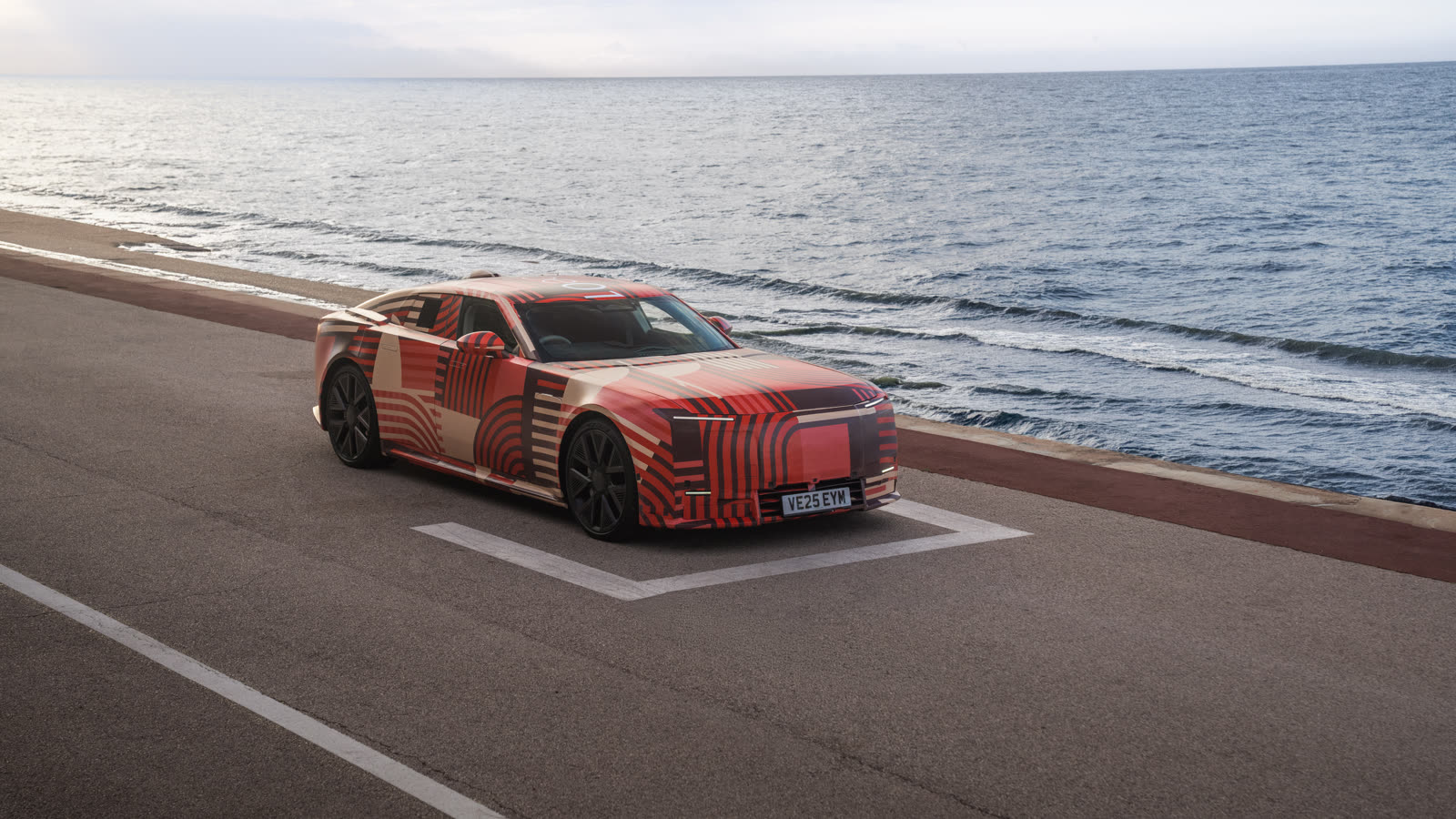
Lexus and Jaguar both made important premium EV moves in the May 13 to May 15 window, but they did so with almost opposite instincts. Lexus revealed the TZ as a new three-row electric SUV with fuller official detail, while Jaguar confirmed the Type 01 name and showed a prototype ahead of a later full reveal.
Lexus is taking the practical route. A three-row electric luxury SUV gives the brand a clearer answer for customers who want family capacity, high seating, and brand familiarity without moving into an ultra-experimental design language. It is an expansion move, not a reinvention for its own sake.
Jaguar reframes
Jaguar, by contrast, is deliberately staging a brand reset. The Type 01 naming and Monaco prototype appearance are about preparing the audience for a more radical repositioning around an electric four-door GT. That makes the reveal part product preview and part identity reconstruction.
The contrast matters because premium EV buyers are splitting into different camps. Some still want low-risk luxury with better packaging and quieter running. Others are willing to follow a brand into a more expressive, architectural, or avant-garde product if the design and performance narrative feels distinct enough.
Two premium EV playbooks
Lexus therefore looks like it is optimizing for trust and usability, while Jaguar is optimizing for symbolic breakaway value. Neither approach is obviously right in all markets, but both show that premium electrification is no longer a one-template exercise.
Toyota-group scale also gives Lexus a different kind of confidence. The brand can make a practical premium EV expansion with relatively low narrative drama because customers already expect reliability, retail discipline, and a broad ownership support network. That lowers the reputational risk of a more incremental launch.
Execution risk differs
Jaguar's path is riskier because the product is being asked to do brand reconstruction work at the same time it must prove itself as an EV. If the final car fails to feel special enough, the strategy looks theatrical. If it succeeds, however, Jaguar gains a cleaner break from the expectations attached to its earlier lineup.
Taken together, the two announcements show how broad the premium EV transition has become. One brand is using electrification to deepen mainstream luxury appeal; the other is using it to justify a sharper cultural reset.
Source and editorial note
This AutoIntel Lab brief is an original rewritten analysis based on User-curated premium EV release list based on Lexus Global and Jaguar official news. It summarizes market implications and does not reproduce the source article body.