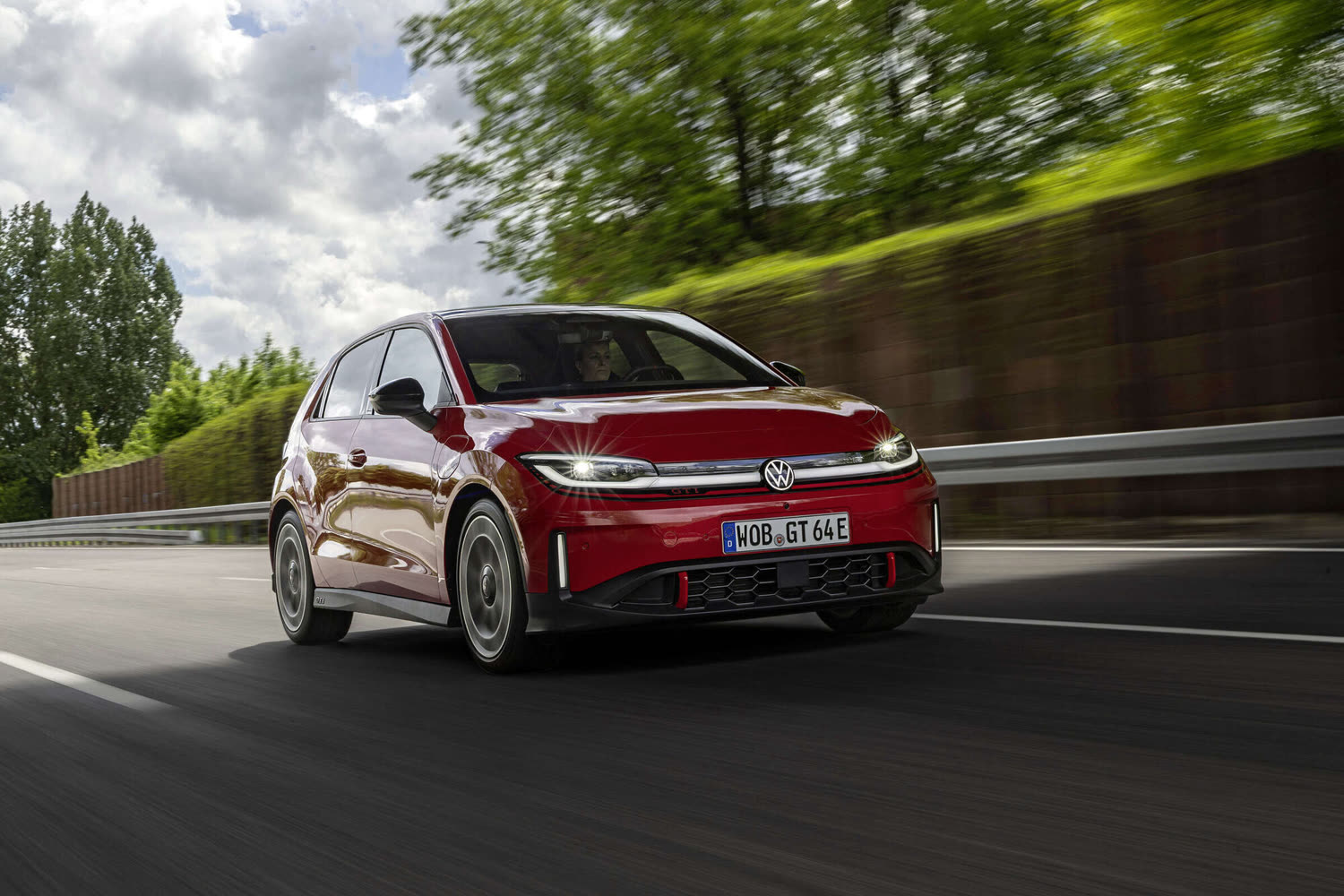
Electric GTI step
Volkswagen's reported ID Polo GTI package is notable because it applies the GTI label to a pure-electric product instead of treating GTI as a combustion-only heritage asset. Autocar's details around 223 bhp and a 52 kWh battery suggest the company wants a credible urban performance car, not a token badge exercise.
On the same day, the Vision BMW Alpina Concept previewed how BMW may reinterpret Alpina after taking fuller control of the brand. A large 2+2 GT concept is less about immediate volume and more about answering a branding question: can premium touring comfort and EV-era design restraint still carry a distinct sub-brand identity?
Alpina after takeover
These two reveals sit at different ends of the market, but they solve a similar problem. European automakers need electric products that do more than satisfy emissions targets. They also need vehicles that preserve fan loyalty, design recognition, and pricing power in segments where generic crossover shapes can quickly blur together.
Volkswagen's move is especially important because GTI has long stood for attainable performance, not just outright speed. If that identity translates well to an EV, the company gains a template for emotional differentiation below its more expensive halo products. If it does not, the brand risks reducing GTI to a sticker on a powertrain transition.
Emotion as product logic
BMW's Alpina concept faces a subtler test. Alpina customers expect exclusivity, effortless long-distance character, and a tuning philosophy distinct from BMW M. Translating that into an electric large GT requires a careful mix of quietness, interior richness, chassis calibration, and visual understatement. The concept is therefore as much a governance statement as a styling exercise.
There is also a portfolio-management angle here. Brands such as Volkswagen and BMW need recognizable sub-identities because software, battery procurement, and regulation are making the underlying technical story feel more standardized. Sub-brands and performance labels remain one of the few tools that can still create high-margin emotional separation.
Why Europe still needs these cars
For Europe specifically, this matters because enthusiast culture still influences how mainstream buyers read a badge. A convincing GTI or Alpina signal can improve halo value far beyond the direct sales volume of one product, helping the rest of the lineup feel less anonymous in an increasingly electrified showroom.
The broader signal is that Europe still sees emotional branding as a competitive necessity. Electrification may change the hardware stack, but legacy performance badges and grand-touring sub-brands remain useful if they give buyers a reason to care beyond range, charging, and incentives.
Source and editorial note
This AutoIntel Lab brief is an original rewritten analysis based on User-curated global reveal list based on Autocar coverage. It summarizes market implications and does not reproduce the source article body.