Three Mercedes updates
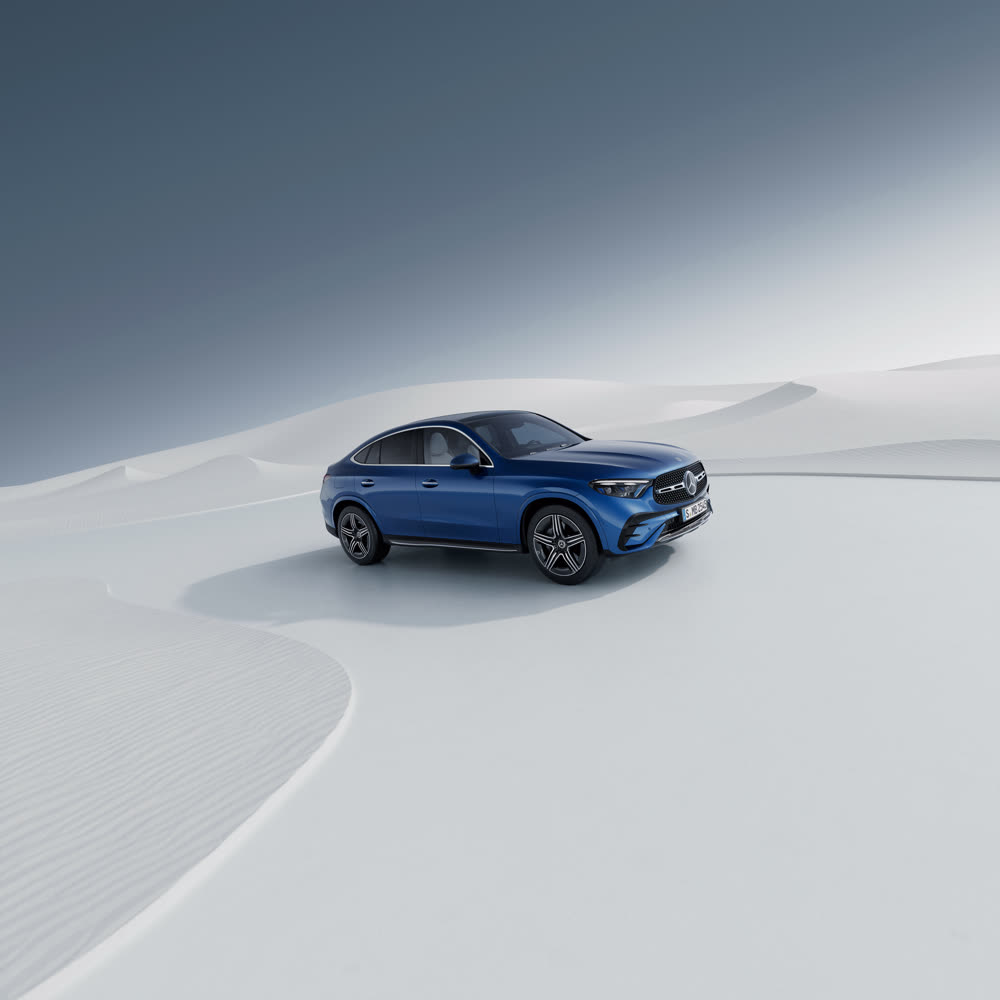
Between May 13 and May 14, Mercedes refreshed the GLC coupe, CLE, and AMG CLE in China, with price points stretching from the low-40万元 band to around 78万元. None of these vehicles is aimed at the center of the market, which is exactly why they are interesting.
China's premium segment is being pressured from two directions at once: local EV brands are pushing technology and value, while mainstream SUVs continue to absorb buyers who once might have chosen a sedan or coupe. Refreshing niche body styles under those conditions suggests Mercedes still sees these products as profitable image carriers.
Why niche formats survive
The GLC coupe plays a familiar role by taking a high-demand SUV base and layering style premium on top. The CLE and AMG CLE go further, preserving a two-door or style-led performance narrative in a market that increasingly rewards screen count, assisted driving, and cabin practicality. Mercedes is betting that some buyers still want a visible emotional distinction.
That is a reasonable margin strategy if the customer pool is smaller but less price-sensitive. Specialized body styles can help defend average selling price and reinforce brand hierarchy even when unit volume is modest. They also give dealers products that differentiate the showroom from locally branded alternatives fighting on software and specification density.
Margin logic in a changed market
The risk is relevance. If technology expectations rise faster than design-led aspiration, then a coupe refresh may no longer feel enough on its own. Mercedes therefore has to make sure these updates are not only visual placeholders, but part of a broader premium proposition that still feels modern in the Chinese context.
There is also a retailer-mix advantage here. Niche premium formats can make a showroom feel less interchangeable, which matters when many premium electric sedans and SUVs are converging around similar screen-heavy cabin templates. Even modest-volume image cars can improve how the entire range is perceived.
The relevance question
The launches therefore work as both product maintenance and brand calibration. They remind the market that Mercedes still wants to own style-led, higher-margin niches while the broader premium landscape shifts toward electrified utility and software feature density.
For now, the refreshes signal that Germany's luxury playbook is adapting rather than disappearing. Mercedes is not abandoning niche premium formats in China. It is testing whether they can remain useful profit tools inside a market now dominated by electrified practicality.
Source and editorial note
This AutoIntel Lab brief is an original rewritten analysis based on User-curated China launch list based on Sina Auto new-car calendar. It summarizes market implications and does not reproduce the source article body.