Utility goes broad
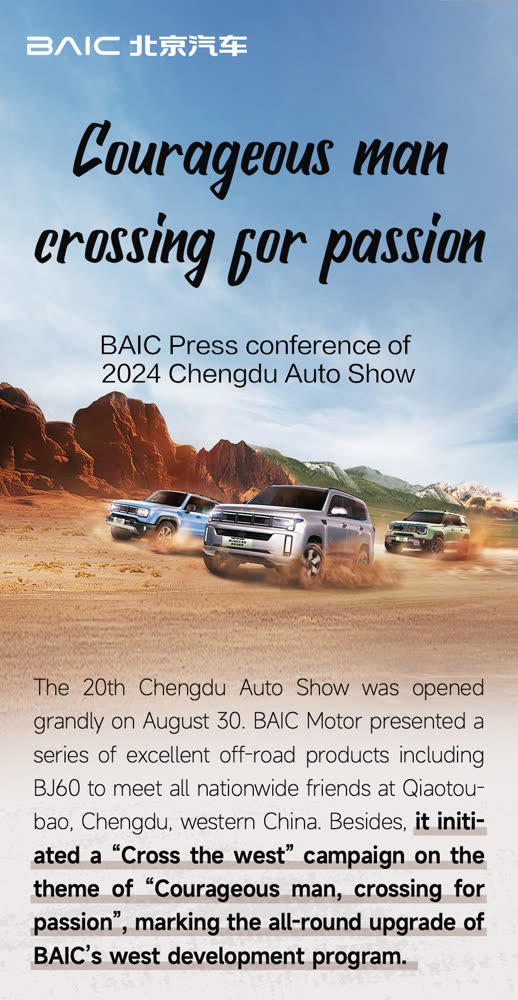
The May 12 to May 13 China launches put very different vehicles into a surprisingly similar conversation. Beijing Off-road expanded BJ40 positioning, Geely added the Galaxy A7 EV, and Fangchengbao refreshed the Bao 5 and Bao 8 with flash-charging messaging that CarNewsChina also highlighted in English coverage.
A few years ago, these products would have belonged to cleaner segments: hardcore off-roader, urban EV sedan, and lifestyle SUV. In today's Chinese market, they increasingly overlap around the idea of utility. Buyers want vehicles that feel capable, technologically current, and easy to live with, even if their real use cases differ sharply.
Charging becomes identity
Fangchengbao's update is especially revealing because charging speed is becoming part of brand character, not just a line in the specifications sheet. If flash-charging capability can be marketed as a lifestyle convenience on par with suspension travel or off-road presence, then EV usability is moving deeper into identity-driven segments.
BJ40 shows the other side of the equation. Traditional rugged branding still matters, but it now competes against electrified products that can offer different forms of versatility, including lower running cost, quietness, and urban drivability. That means the off-road narrative has to coexist with a broader capability story.
Ruggedness no longer means one powertrain
Galaxy A7 EV reminds the market that utility does not have to look rugged at all. A reasonably priced electric sedan can still sell itself as a practical multi-role household tool if range, cabin space, and operating economics line up. In other words, utility has become a flexible commercial language.
The strategic value of this language is that it widens the addressable market. Brands can borrow cues from off-road culture, family practicality, and EV convenience at the same time, then recombine them to create fresher retail propositions without inventing a fully new segment.
Segment boundaries keep weakening
This also explains why fast-charging claims are now surfacing in more than purely urban or premium EV narratives. Once charging speed becomes a proxy for freedom and reduced planning burden, it works inside adventure, family, and commuter marketing alike.
The launch cluster therefore says something important about China in 2026: segment boundaries are weakening. Ruggedness, charging speed, family practicality, and technology image can now be mixed in different proportions, and brands are using that flexibility to widen their addressable market.
Source and editorial note
This AutoIntel Lab brief is an original rewritten analysis based on User-curated China launch list based on Sina Auto new-car calendar and CarNewsChina confirmations. It summarizes market implications and does not reproduce the source article body.