Closing launches
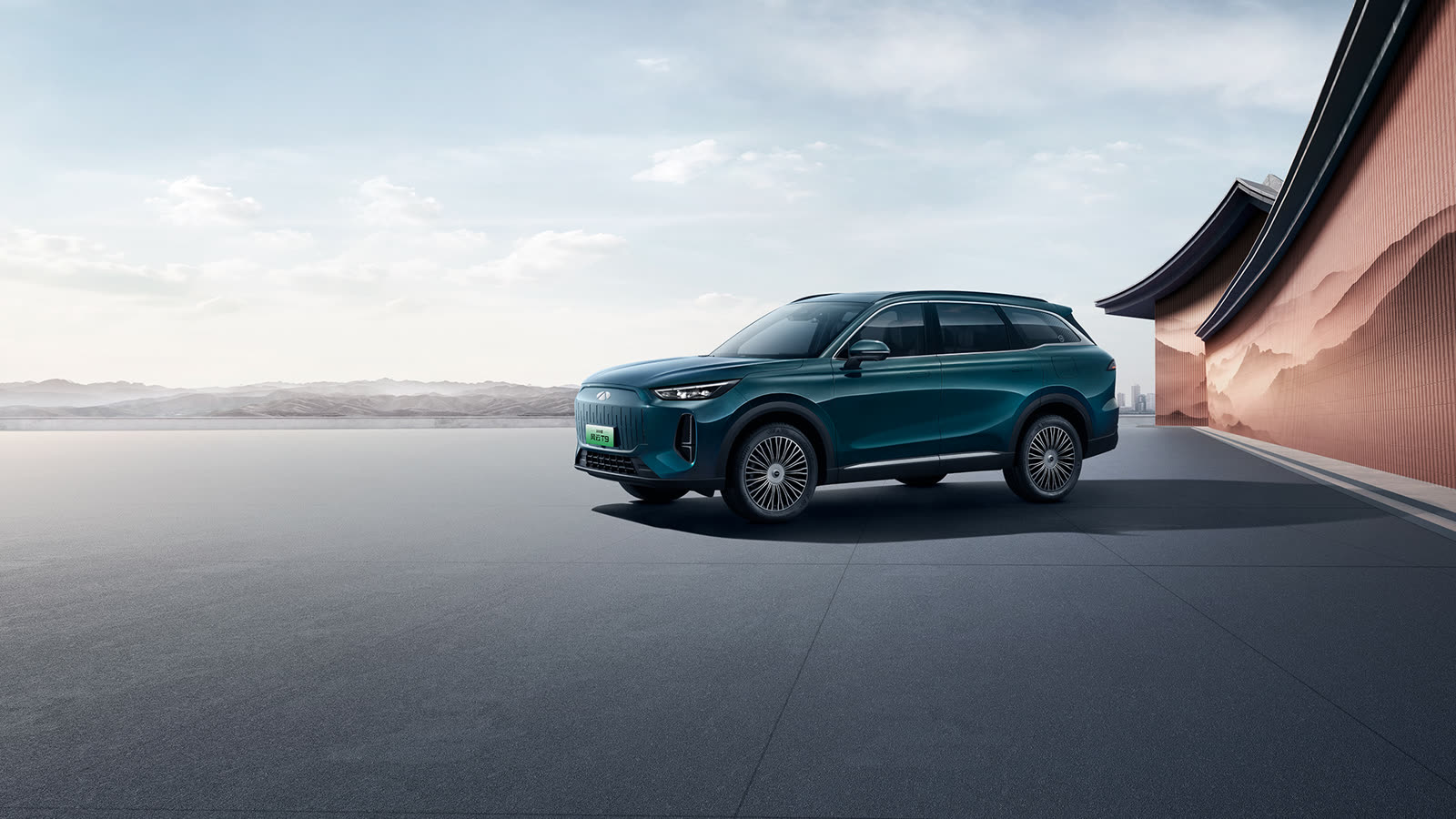
The May 18 China launches were modest on purpose. Chery priced the refreshed Fengyun T9 at 11.99 to 19.39万元, while Hongqi positioned the updated H6 at 17.98 to 23.98万元, keeping both vehicles inside recognizable brackets rather than using a dramatic price reset to win attention.
That matters because the middle of the Chinese passenger-car market is no longer short of novelty. By the time these two vehicles arrived, buyers had already seen a dense run of small EVs, PHEV SUVs, premium coupes, and large family flagships earlier in the same month. A closing refresh therefore had to signal stability more than surprise.
Price-band discipline
Fengyun T9 sits in one of the most contested bands in the market, where PHEV and range-extender products are forcing traditional fuel models to justify themselves every quarter. Chery's likely goal is not to dominate headlines, but to keep the product credible in dealer conversations where shoppers compare space, powertrain flexibility, and monthly payment at the same time.
Hongqi's H6 has a different job. It carries a domestic premium badge, so the liftback format has to combine image value with enough equipment logic to stop buyers from moving straight to SUVs or locally branded EV sedans. Updating the nameplate without detonating the price ladder suggests Hongqi still sees room for aspirational combustion-adjacent or transitional products.
Brand-role separation
The two vehicles also show how carefully Chinese brands now manage internal price architecture. Neither launch attempted to redraw the market overnight. Instead, both stayed close to familiar customer expectations, which reduces channel confusion and makes financing offers, trade-ins, and showroom explanation easier for dealers.
Dealer usability matters more than it did during the first wave of new-energy exuberance. In a market where every week brings another software-heavy launch or charging-speed headline, a refresh only works if it keeps the retail conversation simple: what changed, why it matters, and why the customer should still trust the badge.
What the late-month signal means
There is also a brand-role separation at work here. Chery needs Fengyun T9 to remain a volume-relevant family proposition, while Hongqi needs H6 to preserve a slice of domestic premium distinctiveness without asking for flagship-level spending. That difference explains why similar acts of product maintenance can carry different strategic weight.
Together, the two launches close the May window with a clear message: not every release in China is about a breakthrough platform. A meaningful share of the market is now about keeping existing nameplates relevant, preserving channel confidence, and stretching model life while the next round of software, battery, and packaging competition gathers pace.
Source and editorial note
This AutoIntel Lab brief is an original rewritten analysis based on User-curated China launch list based on Sina Auto new-car calendar and supporting market reports. It summarizes market implications and does not reproduce the source article body.