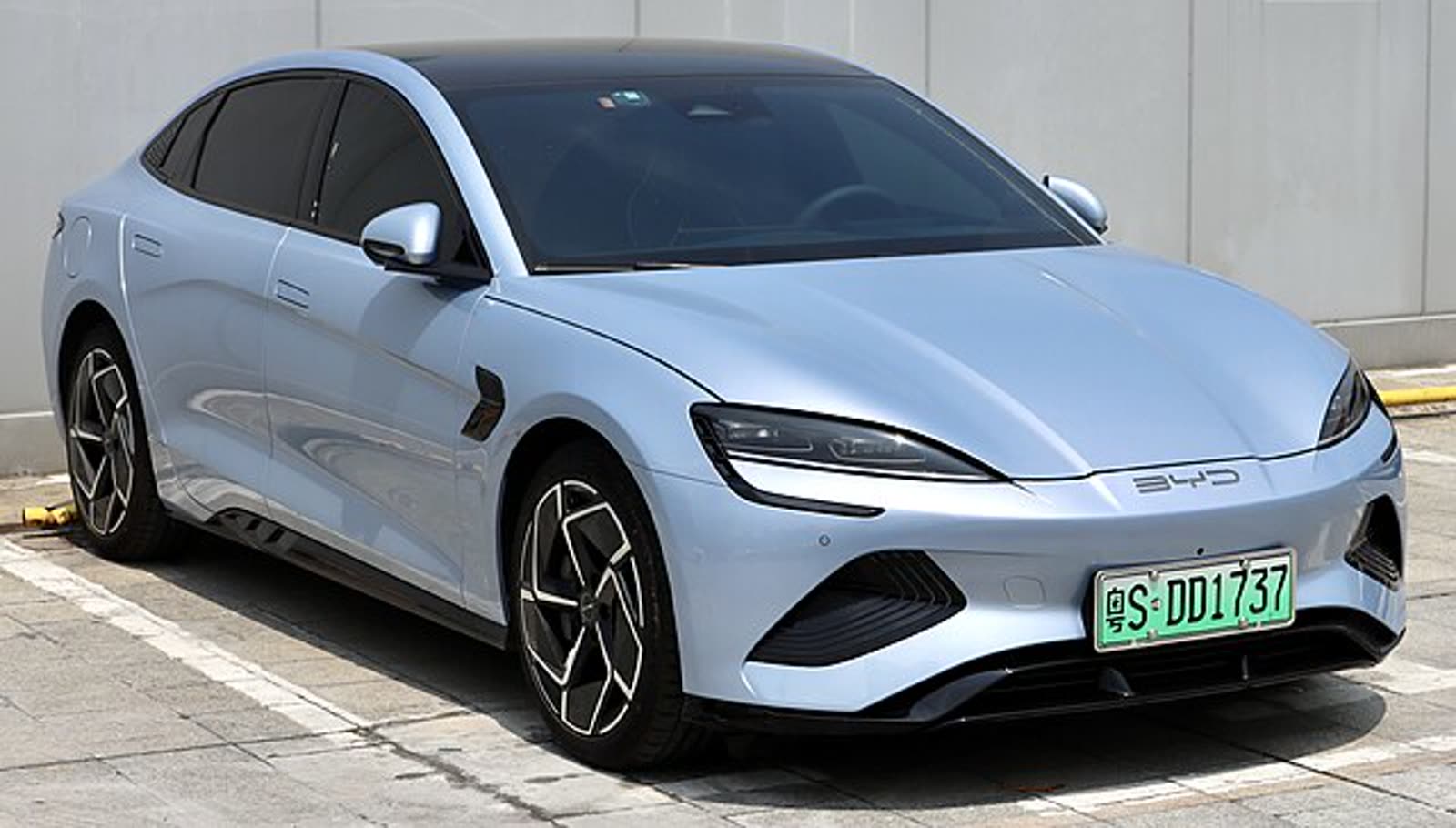
Five-minute charging claims
The latest fast-charging battery demonstrations from Chinese suppliers point toward charging time as a headline battleground, not a secondary convenience metric.
Claims around adding substantial usable range in only a few minutes require more than cell chemistry. They depend on pack-level thermal control, high-power charging hardware, grid-side capacity, vehicle software, and warranty confidence.
For global OEMs, the pressure is twofold: match the user experience where infrastructure permits it, while keeping vehicle cost and battery durability credible in markets that are still building charging density.
Recent claims from CATL, BYD, and other Chinese battery companies show why the charging conversation is changing. A move from 30-minute highway stops toward single-digit-minute charging would narrow one of the most persistent advantages of gasoline vehicles. Even if the headline numbers apply only under ideal conditions, they reset consumer expectations and give automakers a new benchmark for premium and high-volume EV roadmaps.
Thermal and infrastructure implications
The technical challenge is system-wide. Cells must accept high current without unsafe heat buildup or accelerated degradation. Packs need cooling channels and sensors that can keep temperature variation under control. Vehicles need power electronics, cables, inlets, and software that can negotiate charging safely. Chargers need liquid-cooled hardware and enough grid capacity to deliver power levels that may exceed what many public sites can currently support.
Infrastructure is the practical bottleneck. A five-minute charging claim is meaningful only when compatible chargers are common, reliable, and priced sensibly. Megawatt-class charging can place heavy loads on local distribution networks, especially if several stalls operate at high output at the same time. That means utilities, charging operators, automakers, and site owners must coordinate upgrades long before the customer arrives.
There is also a battery-life question. Fast charging is attractive because it improves convenience, but buyers and fleet operators will watch warranty terms closely. If very high-power charging shortens useful battery life or reduces residual values, the benefit becomes harder to sell. The strongest solutions will pair faster charging with transparent thermal management and degradation data that customers can trust.
China has an advantage because several pieces of the ecosystem are moving together. Battery suppliers, automakers, charging-network builders, and local industrial policy are aligned around rapid EV adoption. That makes it easier to test new charging formats at scale and connect them to specific vehicle platforms. In markets where public charging is more fragmented, the same battery capability may arrive more slowly or in a limited premium form.
Global roadmap pressure
For global OEMs, the roadmap pressure is now unavoidable. Matching Chinese claims immediately may be unrealistic, but ignoring them would make future products feel dated. The likely response is a tiered strategy: improve mainstream charging curves where 150 kW to 350 kW infrastructure is common, while preparing high-power platforms for markets and models that can justify the extra hardware cost.
The fast-charging race therefore signals more than a specification contest. It is a competition over the full refueling experience: battery chemistry, pack design, vehicle software, charging hardware, grid readiness, and customer confidence. The companies that coordinate all of those pieces will be able to sell convenience, not just kilowatts.
Source and editorial note
This AutoIntel Lab brief is an original rewritten analysis based on TechRadar. It summarizes market implications and does not reproduce the source article body.