Opening-week mix
The May 6 to May 8 portion of the launch list set the tone for the rest of the month. Toyota refreshed the Prado at 44.98 to 55.98万元, Citroen added to the Versailles C5 X range, Peugeot updated the 5008, and Haval introduced the Dog Plus PHEV with a plug-in pricing band confirmed in English by CarNewsChina.
That lineup was joined by Mercedes C-Class additions, a revised GAC Toyota bZ3X, Dongfeng eπ 008, and Huajing S. The result was not a single market thesis, but a dense mixture of joint-venture maintenance, electrified extension, and fresh domestic experimentation.
Legacy badges remain useful
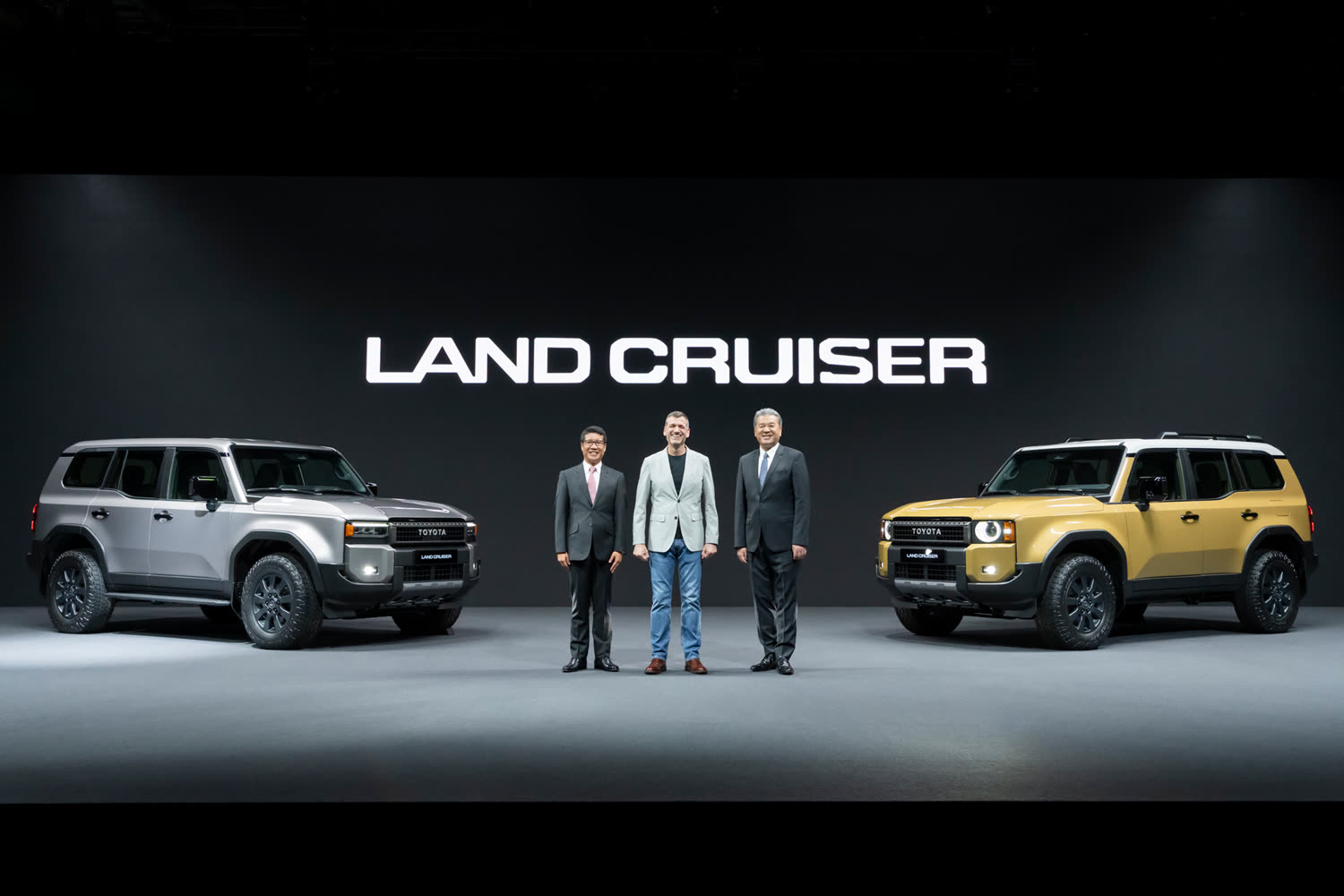
Prado is the clearest example of why legacy nameplates still matter. In a market obsessed with software and electrification, a durable off-road badge continues to carry pricing power because it represents trust, use-case clarity, and a known social image. That kind of brand equity is expensive to rebuild from scratch.
At the same time, products like the Dog Plus PHEV show how traditional SUV formats are being adapted for a buyer base that increasingly expects some form of electrified assistance. Plug-in hybrids remain a practical bridge for customers who want lower fuel cost and urban policy flexibility without depending fully on public charging.
Joint-venture pressure is real
The French-brand refreshes and GAC Toyota adjustment underline a harsher reality for older joint-venture portfolios. They can still compete, but usually through sharper positioning and tighter price logic rather than through automatic brand authority. Familiarity helps, yet familiarity alone no longer protects share.
This is why the opening week is strategically useful to read as a cluster. It shows the coexistence of at least three transition speeds: enduring legacy nameplates, electrified bridge products, and faster-moving domestic entries trying to reframe value expectations from below.
Why the transition stays uneven
For joint ventures, the commercial pressure is especially sharp because every refresh must justify its showroom space against domestic brands that can move faster on software, cockpit design, and charging narrative. A refresh can still work, but only if the customer proposition is cleaner than before.
This is why the opening week matters beyond the individual models. It showed that China's market transition is uneven rather than binary. Old badges, PHEVs, EVs, and incremental refreshes all remain commercially relevant, but each now has to justify itself more explicitly than before.
Source and editorial note
This AutoIntel Lab brief is an original rewritten analysis based on User-curated China launch list based on Sina Auto new-car calendar and CarNewsChina confirmations. It summarizes market implications and does not reproduce the source article body.